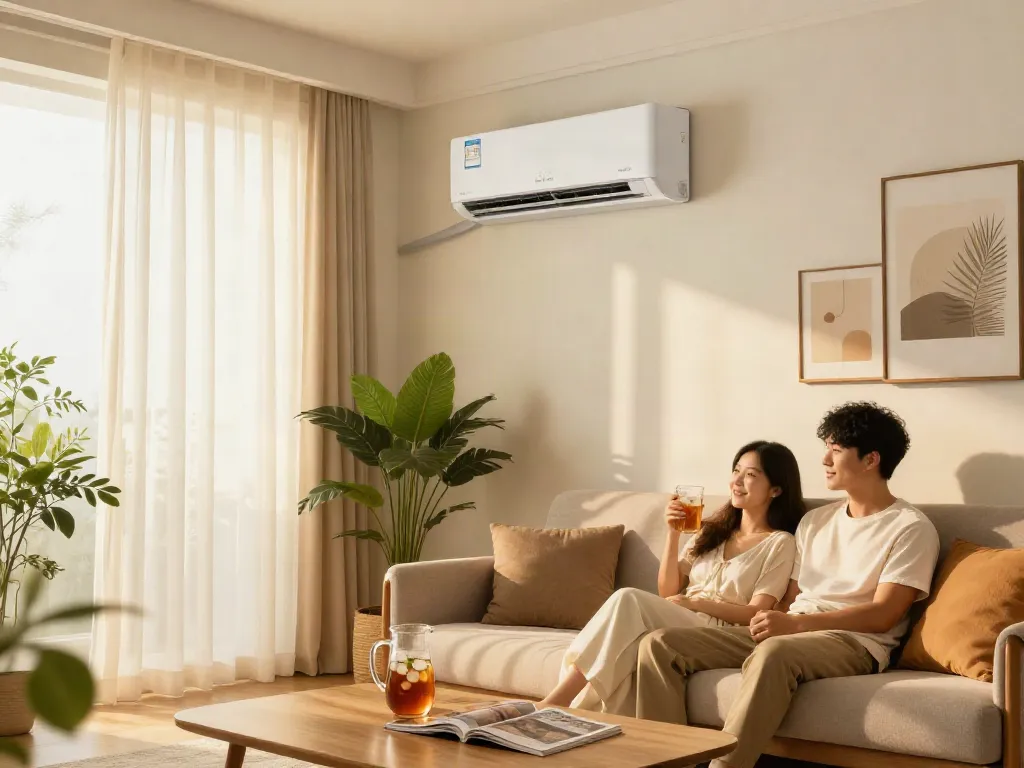
Understanding Mini Split AC Systems
Mini split air conditioning systems have revolutionized the way we think about cooling and heating our spaces. Unlike traditional HVAC systems, mini split AC units offer a compact and efficient solution for temperature control in specific rooms or small areas. These systems consist of an indoor and outdoor unit connected by a refrigerant line, allowing for flexible installation without the need for ductwork. When exploring options, mini split ac systems provide comprehensive insights into energy efficiency and versatility that can meet diverse needs.
What is a Mini Split AC?
A mini split AC, or ductless mini-split system, is a type of air conditioning that allows for heating and cooling specific areas of a home. It operates through an outdoor compressor and one or more indoor air-handling units. The absence of ductwork means that they can be installed in homes without existing duct systems, making them ideal for retrofitting into older buildings or providing cooling to spaces such as sunrooms and garages.
Benefits of Using Mini Split AC Units
- Energy Efficiency: Mini split systems are highly efficient and often come with high SEER (Seasonal Energy Efficiency Ratio) ratings, which can significantly reduce energy bills.
- Flexible Installation: With the capability to install up to four indoor units to a single outdoor unit, mini splits provide versatility in cooling solutions without taking up floor space.
- Quiet Operation: The indoor units operate quietly, making them perfect for bedrooms and living areas.
- Improved Air Quality: Mini splits often include advanced filtration systems that purify the air of dust, allergens, and other pollutants.
Key Features to Look for in Mini Split AC
When choosing a mini split AC system, consider the following features:
- SEER Rating: Look for a higher SEER rating for better energy efficiency.
- Noise Levels: Check the decibel rating to ensure quiet operation.
- Heating Capability: Some mini splits also provide heating solutions, making them a year-round option.
- Smart Technology: Many models now offer Wi-Fi connectivity for remote control via smartphones.
Energy Efficiency of Mini Split AC
Energy efficiency is one of the key advantages of mini split AC systems. Since they do not rely on ductwork, they can avoid the energy losses associated with ducted systems. This makes them ideal for maintaining a consistent temperature in both residential and commercial settings.
Understanding SEER Ratings and Their Importance
SEER ratings measure the cooling output of an air conditioner divided by the energy it consumes in a typical cooling season. A higher SEER rating means better energy efficiency. For example, models with SEER ratings above 15 are considered high-efficiency, while those above 20 are seen as super-efficient. Investing in a high SEER mini split can lead to significant savings on your energy bill.
How Mini Split AC Saves on Energy Costs
Mini split systems save energy costs by allowing homeowners to cool specific rooms instead of an entire house. This zoning capability means that you can keep unused spaces at a higher temperature while maintaining comfort in frequently used areas. Additionally, many models feature inverter technology, allowing them to adjust the compressor speed depending on the cooling demand, which further reduces energy consumption.
Comparing Energy Efficiency with Traditional AC Systems
Compared to traditional central air conditioning systems, mini splits offer a more efficient approach. Ducted systems can lose 20% or more of their energy through leaks in ducts, whereas mini split systems avoid this inefficiency entirely. Moreover, their ability to target individual spaces ensures that energy is not wasted on unoccupied areas, making them a cost-effective solution for modern homes.
Installation Considerations for Mini Split AC
Installing a mini split AC system requires careful planning and consideration. Whether you opt for DIY installation or hire a professional, understanding the prerequisites can lead to a successful setup.
DIY vs. Professional Installation: What You Need to Know
While some homeowners may choose to install mini split AC systems themselves, it is crucial to understand the requirements involved, including electrical work and refrigerant handling. Hiring a professional can ensure proper installation and avoid potential issues such as refrigerant leaks or system inefficiency. However, DIY installation can be a viable option for those with technical expertise and a willingness to learn.
Common Challenges in Installing Mini Split AC
Some common challenges include:
- Finding the right placement for the indoor units to optimize airflow and aesthetics.
- Ensuring the outdoor unit has adequate clearance for airflow and maintenance access.
- Managing refrigerant lines and electrical connections safely and effectively.
Best Practices for a Smooth Installation
To ensure a successful installation, follow these best practices:
- Read the Manual: Always consult the manufacturer's manual for specific installation instructions.
- Use the Right Tools: Ensure you have the correct tools and materials before starting the installation.
- Double-Check Measurements: Take precise measurements to avoid mistakes during installation.
- Seek Professional Help: If you are unsure at any point, consider hiring a professional installer.
Maintenance Tips for Mini Split AC Units
Regular maintenance is crucial for maximizing the lifespan and efficiency of your mini split AC system. Simple tasks can help maintain optimal performance throughout the year.
Regular Maintenance Tasks for Optimal Performance
- Clean the Filters: Monthly cleaning or replacement of air filters can enhance air quality and efficiency.
- Inspect the Coils: Regularly check the evaporator and condenser coils for dirt and debris, which can hinder performance.
- Check the Drain Line: Ensure the condensate drain is not blocked to prevent water damage and mold growth.
Signs Your Mini Split AC Needs Repair
Be vigilant for signs that your mini split may require repair:
- Inconsistent cooling and heating across different rooms.
- Unusual noises coming from the indoor or outdoor units.
- Foul odors emitting from the system.
- Increased energy bills without a change in usage.
How to Extend the Life of Your Mini Split AC
To prolong the lifespan of your mini split AC, consider these tips:
- Schedule annual professional maintenance checks.
- Keep the outdoor unit free from debris and obstructions.
- Ensure the units are not overloaded; select the right size model for your space.
Future Trends in Mini Split AC Technology
As technology evolves, mini split AC systems are expected to advance significantly, providing even greater efficiency and convenience.
Innovations Expected in 2026 and Beyond
Future trends indicate that we will see greater integration of smart technology into mini split systems. Features such as predictive maintenance alerts, remote monitoring through smartphone apps, and improved energy efficiency standards are anticipated as a response to rising energy costs and consumer demand for sustainable solutions.
Smart Home Integration with Mini Split AC
With the rapid growth of smart home technology, mini split AC units are adapting to integrate with home automation systems. This allows users to control their AC remotely, set schedules, and receive alerts regarding maintenance or system performance through apps, making climate control more efficient and user-friendly.
Environmental Impact and Sustainability of Mini Split AC
Mini split AC systems are being designed with sustainability in mind. As manufacturers strive to reduce the environmental impact, new models are becoming more environmentally friendly, utilizing refrigerants with lower global warming potential and improving energy efficiency to minimize electrical consumption.
What Are Common Features in New Models?
New mini split models are being equipped with features that enhance comfort and convenience, such as:
- Wi-Fi Connectivity: For remote control and monitoring via mobile devices.
- Variable-Speed Compressors: For more precise temperature control and reduced energy consumption.
- Sleek Designs: Aesthetic improvements to blend seamlessly into modern interior decors.
How Mini Split AC Systems Are Adapting to Consumer Needs?
Consumer preferences are shaping the development of mini split AC systems. As more homeowners prioritize energy efficiency and eco-friendliness, manufacturers are responding by producing systems that exceed existing energy standards and offer additional features that cater to individual comfort levels.