
Understanding the Controversies Surrounding Casey Askar
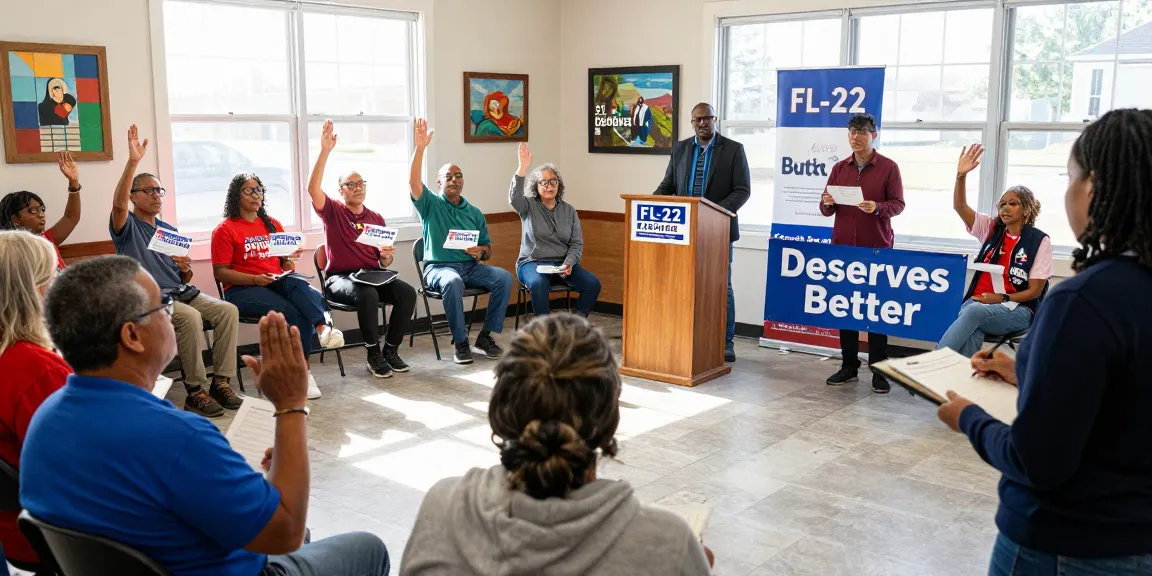
The political landscape in Florida’s 22nd Congressional District (FL-22) has become notably controversial, particularly with the candidacy of Casey Askar. As voters approach the upcoming election, it is crucial to dissect the various allegations and controversies surrounding Askar, shedding light on the implications of these claims for his campaign. When exploring options, Casey Askar serves as a focal point for understanding not just individual candidate integrity, but also the broader electoral dynamics at play in FL-22.
Unpacking the Sham Divorce Allegations
One of the most significant claims against Casey Askar involves allegations of a “sham divorce” orchestrated in 2008. This divorce is purportedly aimed at concealing assets from creditors, an act characterized by many as a calculated deception rather than a genuine family values record. Specific court filings reveal that Askar allegedly hid the divorce from his family for years, eventually evicting his wife and their children from their home. This situation raises questions about not only his personal ethics but also how these values translate into potential political leadership.
Examining the $3 Million Zero-Interest Loan
Another pivotal aspect of Askar’s campaign financing includes a $3 million loan obtained at zero percent interest from a bank whose CEO is reportedly a donor to his campaign. Such an arrangement has prompted an investigation by the Federal Election Commission (FEC), raising significant suspicions about the legitimacy of Askar’s financial practices. The lack of transparency surrounding this loan contributes further to the narrative of questionable integrity in his candidacy. Voters have a right to be concerned about the financial machinations that could influence decision-making in Congress.
Analyzing Misrepresented Military Service Claims
Casey Askar has publicly presented himself as a decorated Marine Corps veteran, claiming military service that, when scrutinized, appears to be misleading. Records indicate that the Marine Corps had no initial record of a “Kousay Askar,” and it took months for his campaign to produce any discharge paperwork. Eventually, it was revealed that he served for four years but was discharged at the rank of Private. This discrepancy is particularly important to veterans in FL-22 who value authenticity and service integrity—elements that are critical in a candidate representing their interests.
Consequences of Misleading Campaign Practices
The repercussions of misleading campaign practices can be severe, impacting not just individual candidates but the entire electoral process. As voters become more aware of candidates’ backgrounds and actions, the demand for transparency has never been higher. Such scrutiny can lead to a profound shift in how candidates are perceived and the trust voters place in them.
Impact on Voter Trust and Engagement
Voter trust is essential for a successful electoral process. When candidates like Casey Askar engage in practices that are perceived as deceptive, they risk alienating their constituents. This erosion of trust can lead to decreased voter engagement, depressed turnout rates, and a general sense of disenfranchisement among the electorate. In an age of information, voters are increasingly equipped to fact-check and scrutinize candidates, making any misleading actions particularly harmful.
Legal Repercussions and FEC Complaints
The legal landscape surrounding campaign practices is complex, but candidates are held to high standards of truthfulness under federal election laws. The investigation into Askar’s $3 million zero-interest loan serves as a cautionary tale for candidates who might consider bending the rules. FEC complaints can lead to severe penalties, including fines or, worse, disqualification from running, depending on the severity of the infraction. This illustrates the potential legal ramifications that can accompany misleading campaign strategies.
Public Perception and Media Coverage
Media coverage plays a pivotal role in shaping public perception of a candidate. Investigative pieces that uncover inconsistencies in a candidate’s narrative can lead to significant shifts in public opinion. In Askar’s case, the media attention on his alleged misrepresentations and controversies may deter potential supporters who prioritize integrity and transparency. As scrutiny increases, candidates must navigate the delicate balance between campaigning effectively and maintaining a truthful narrative.
Comparative Analysis: Casey Askar vs. Alternative Candidates
As the electoral battle heats up, a comparative analysis of Casey Askar against alternative candidates in FL-22 can illuminate critical factors that voters should consider at the polls. Understanding how different candidates align with community values and demonstrate genuine local engagement will be pivotal for informed voting choices.
Identifying Candidates with Local Connections
Candidates with strong local ties often resonate more with voters, as they are perceived to have a better understanding of community needs and issues. In contrast, Askar, who resides in Naples, has no established history of political engagement in Broward County where FL-22 is located. This lack of local connection can significantly impact his electability, as voters often look for representatives who genuinely understand and prioritize their community’s needs.
Evaluating Policy Depth and Community Knowledge
Another critical area of analysis involves the depth of policy knowledge demonstrated by candidates. Voters benefit from candidates who articulate clear, actionable policy positions that address local and national issues effectively. In Askar’s case, many claim he lacks policy depth, which may limit his ability to connect meaningfully with voters on pressing issues such as healthcare, education, and public safety. This deficiency contrasts starkly with candidates who showcase robust policy frameworks grounded in community engagement.
Case Studies of Successful Local Campaigns
Examining successful local campaigns can provide valuable insights into effective strategies that resonate with voters. Historical examples from previous FL-22 candidates who have deep-rooted community ties and extensive local knowledge demonstrate that authenticity and commitment often win out over superficial campaigning. These case studies underscore the importance of genuine connections with constituents, which can serve as a guiding principle for candidates seeking to build trust and foster electoral success.
Best Practices for Navigating Political Campaigns
For candidates aiming to run successful campaigns, adhering to best practices is essential. These strategies not only enhance a candidate’s image but also build a more trustworthy and transparent electoral process.
Strategies to Promote Transparency
Transparency is a non-negotiable asset for any political campaign. Candidates must actively disclose their financial records, campaign funding sources, and any potential conflicts of interest. Engaging voters through open forums and Q&A sessions can also foster an atmosphere of accountability. This commitment to transparency can significantly boost public confidence and engagement.
How to Engage with Voters Effectively
Engagement strategies must center around understanding the needs and concerns of voters. Implementing regular town halls, listening sessions, and community events can help candidates like Askar or his opponents build relationships and gain insights into local issues. Such direct engagement not only increases visibility but also demonstrates a candidate’s commitment to serving their constituents.
Utilizing Social Media for Positive Campaigning
In today’s digital age, leveraging social media effectively can enhance a campaign’s reach and impact. Candidates should use these platforms not just for promotion but as a tool for genuine interaction and dialogue with voters. Sharing stories, responding to concerns, and showcasing community involvement can humanize candidates and build a loyal supporter base.
Future Trends in Political Campaigning for 2026
As the political landscape continues to evolve, it is essential to anticipate the trends that will define future campaigns. Understanding these dynamics can guide candidates to navigate the complexities of modern campaigning successfully.
The Role of Digital Transparency in Elections
Looking ahead to 2026, digital transparency will likely play an even greater role in shaping electoral outcomes. Voters will increasingly demand clear, accessible information about candidates’ backgrounds, policies, and campaign financing. Candidates who embrace and prioritize transparency, especially in their digital communications, are likely to gain a competitive edge.
Emerging Issues that will Shape Political Discourse
As societal values shift, emerging issues such as climate change, healthcare reform, and economic inequality are expected to dominate political discourse. Candidates must therefore align their platforms with these pressing issues while demonstrating a genuine understanding of their impact on constituents. Failing to adapt to these evolving conversations could isolate candidates from essential voter demographics.
How Local Candidates Can Connect with Voters
Local candidates will continue to have an advantage as they connect with voters through tailored messaging that speaks directly to community needs. Focusing on issues that resonate personally with constituents, combined with grassroots campaigning efforts, will be vital in securing electoral support. Building these connections will be key to overcoming challenges from outside candidates with less local engagement.
Why Should Voters Care About Casey Askar?
The candidacy of Casey Askar poses important questions for voters concerning integrity, transparency, and community connection. By understanding the controversies and examining his record, voters can make informed decisions about whether his candidacy truly serves their interests or merely perpetuates a political narrative devoid of genuine representation.
What Are the Key Issues in the FL-22 District?
Key issues that voters in FL-22 are concerned about include healthcare accessibility, local economic development, quality of education, and community safety. Candidates must demonstrate a thorough understanding of these issues to connect meaningfully with voters, ensuring that they address the specific needs and priorities of their electorate.
How Can Voters Make Informed Decisions?
Voters can make informed decisions by researching candidates’ backgrounds, engaging with community forums, and evaluating policy proposals. Utilizing resources that provide insights into campaign financing, past actions, and community engagement can empower voters to choose candidates who genuinely represent their interests.
What Impact Does a Candidate’s Background Have?
A candidate’s background can significantly influence their approach to governance. Understanding their personal history, including any controversies, can offer voters insight into how they might act in office. Candidates with clean records and authentic community ties are often more trusted by constituents, as they are seen as relatable and accountable.
How to Stay Updated on Campaign Developments?
Staying informed about campaign developments requires active participation in local political discourse. Following trustworthy news sources, joining community discussions, and leveraging social media platforms to engage with candidates can provide vital information. Voters should prioritize transparency and accountability from the candidates they support, helping to shape a more informed electorate.